06 — Radio Access Network (RAN) Product Engineering
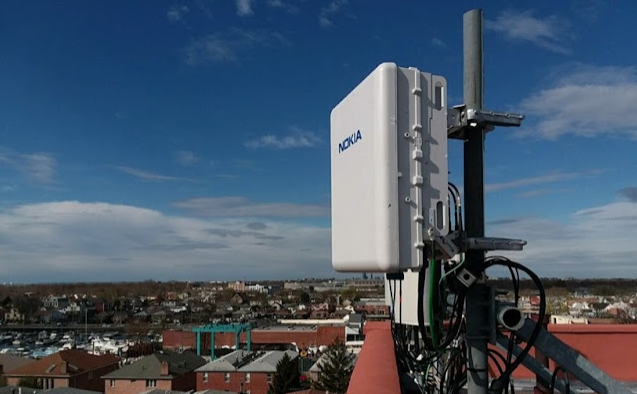
3G & 3.5G Small Cell Access Point RAN
Motorola Networks / Nokia Solution Networks — Small cell access point RAN architecture for 3G/HSPA carrier buildout
Small, rooftop-deployable radio access nodes that doubled effective network capacity in dense urban environments for top-tier US and global wireless carriers.
CompanyMotorola Networks / Nokia Solution Networks
RoleProduct Engineering
Timeline2000–2013
CategoryRadio Access Network (RAN)
2×Network capacity
4Patent disclosures
13 yrsProduct engineering
1.5G–3GTechnology generations
Customer
Who was the customer?
Top-tier US and global wireless carriers (Sprint, T-Mobile, and others) seeking to expand network capacity in dense urban environments through small cell and outdoor RAN deployments as part of their 3G/HSPA network buildout strategies.
Problem
What problem did it solve?
Macro cell networks were hitting capacity ceilings in dense urban areas during the 1.5G–3G transition — requiring small, rooftop-deployable radio access nodes that could double effective network capacity without requiring new spectrum or full macro cell infrastructure.
Solution
What was delivered?
Architecture and development of 1.5G–3G small cell RAN hardware and software solutions
Four patent disclosures filed covering key innovations in wireless communications
Capacity-doubling deployments for top-tier carriers over a 13-year product engineering tenure
Impact
What was the outcome?
2× network capacity delivered for top-tier carrier customers